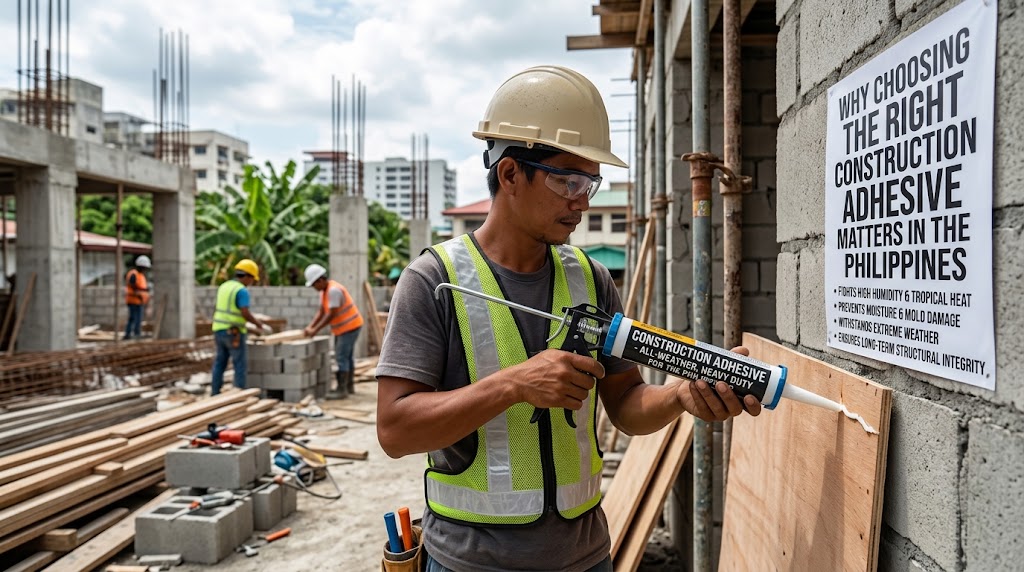
Why Metal Furring Is a Must-Have in Modern Construction
Why Metal Furring Is a Must-Have in Modern Construction
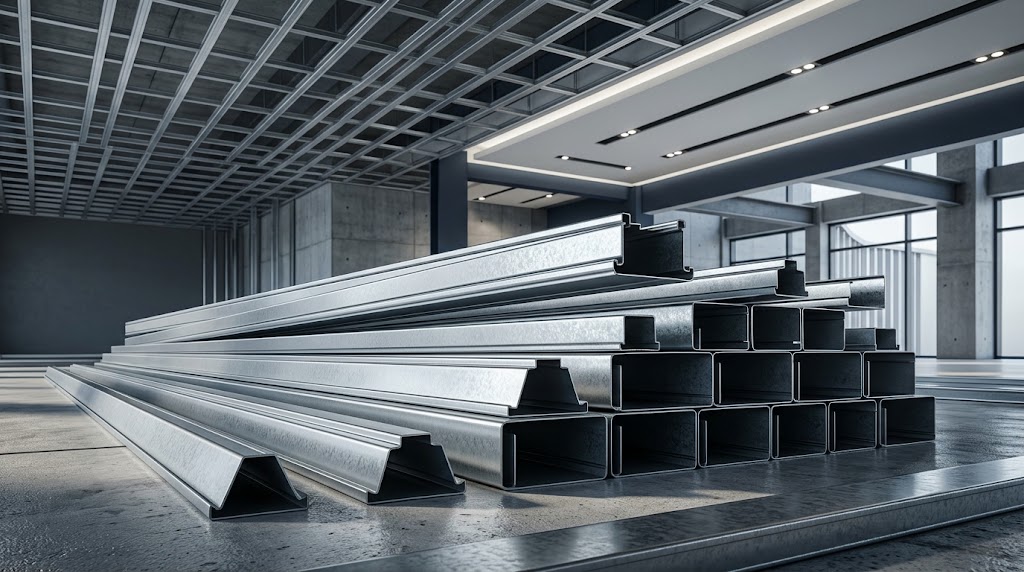
When it comes to interior finishing—especially ceilings and walls—metal furring plays a crucial but often unnoticed role. Whether you're building a residential home, office, or commercial space, metal furring ensures a clean, stable, and long-lasting surface for drywall or ceiling boards.
But what exactly is it, and why is it so important?
What Is Metal Furring?
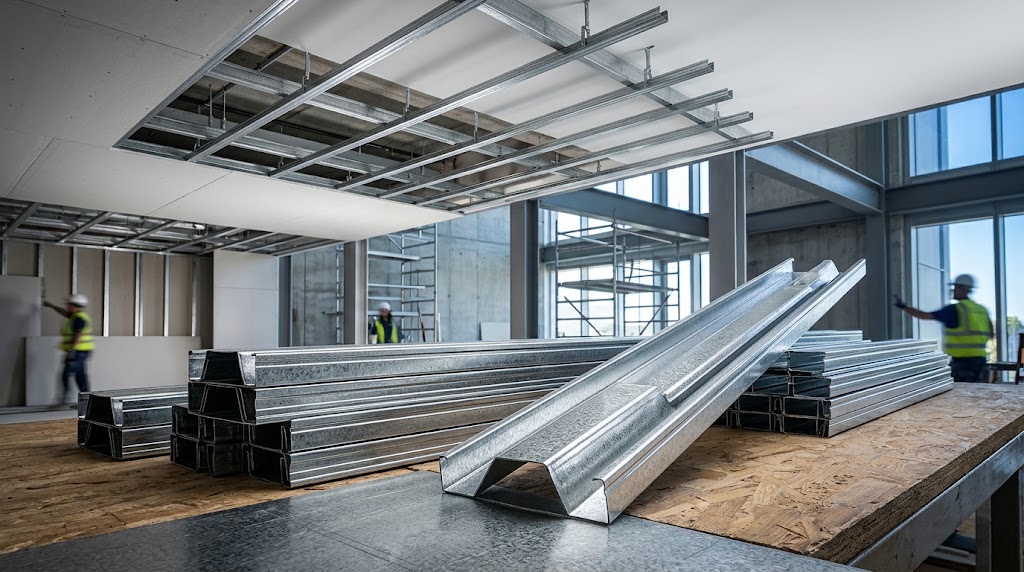
Metal furring refers to thin, lightweight galvanized steel channels or strips used to create a framework or support system for ceilings and walls. It replaces traditional wood framing in many modern construction projects because of its durability, precision, and fire resistance.
In the Philippines, it's commonly used with Ficem Boards, gypsum boards, PVC ceiling panels, and more.
Why Metal Furring Matters in Construction
1. Provides a Strong and Level Framework
Metal furring creates a flat and even surface, which is critical for proper ceiling or wall installation. This is especially important when you're mounting:
- Drop ceilings
- Ceiling boards (Ficem, gypsum, PVC)
- Drywall partitions
- Interior wall claddings
With metal furring, you avoid uneven surfaces, sagging, and misaligned panels.
2. Resistant to Moisture and Termites
Unlike traditional wood framing, metal furring won’t rot, warp, or get eaten by termites. This is especially valuable in humid or tropical climates like the Philippines. It also eliminates the need for regular pest treatment and maintenance.
3. Lightweight but Durable
Metal furring is easy to transport and install, yet strong enough to support ceiling panels, lights, insulation, and even some fixtures. It’s ideal for fast-paced projects and high-rise construction where weight matters.
4. Fire-Resistant
Steel does not catch fire, making metal furring a safer choice for residential and commercial buildings. In case of fire, it helps slow down structural damage compared to wood framing.
5. Cleaner and Neater Installation
Metal furring offers precision that’s hard to achieve with wood. It’s straight, uniform, and easy to cut and fasten. The result is a more polished and professional finish for ceilings and partitions.
6. Cost-Efficient in the Long Run
While the upfront cost may be slightly higher than wood, the reduced labor, faster installation, and long-term durability make metal furring more cost-effective over time.
Types of Metal Furring in the Market
Here are the common types of metal furring used in ceiling and wall applications:
- Carrying Channel – the main framework for the ceiling grid
- Furring Channel (C-Channel) – secondary framing that supports ceiling or wall boards
- Wall Angle / Corner Bead – installed at wall edges to support furring framework
- Furring Clips or Hangers – used to attach channels securely
These components work together to form a stable and long-lasting ceiling or wall system.
Final Thoughts: Choose the Right Metal Furring
Metal furring might be hidden behind your walls or ceilings, but its job is crucial. Without it, you risk uneven panels, sagging ceilings, and future repair costs. Always choose high-quality, galvanized metal furring to ensure the safety and appearance of your space.
💡 Tip: Work with suppliers who follow national standards (PNS or ASTM) to ensure quality and durability.
Note: All images used here are AI-generated and are not intended to infringe on any copyrights.